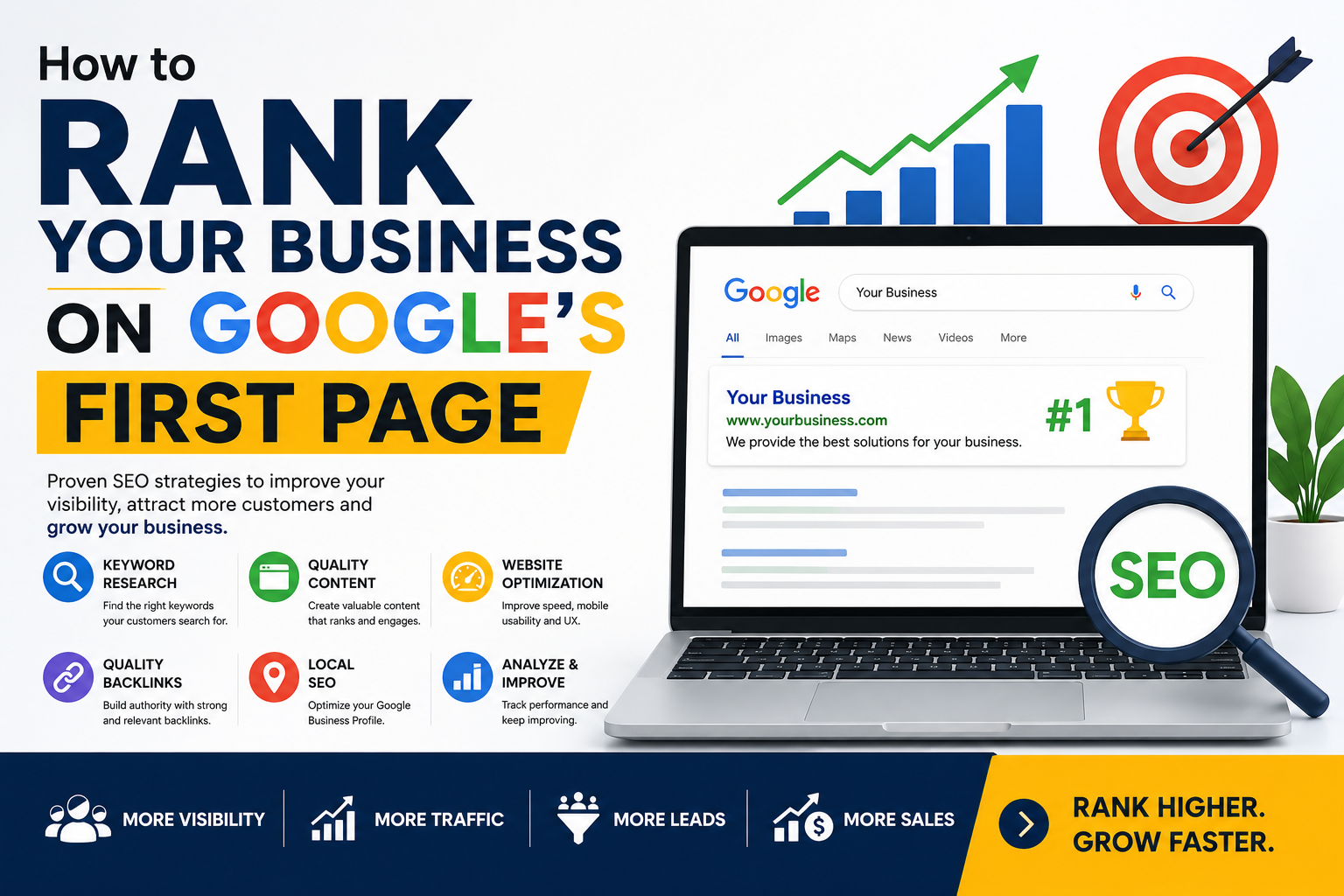


Search Engine Optimization (SEO) is not just about ranking higher on search engines it’s about attracting the right audience and delivering an excellent experience once they arrive. When your SEO strategy balances both search engine requirements and user needs, you gain more visibility, better engagement, and higher conversions.
Here are practical SEO tips to help you satisfy both customers and search engines.
1. Focus on User Intent, Not Just Keywords
Modern SEO is centered around understanding what users are actually looking for. Instead of stuffing your content with keywords, focus on the intent behind the search.
Types of user intent:
- Informational: Looking for knowledge
- Navigational: Searching for a specific brand or site
- Transactional: Ready to buy or take action
2. Create High-Quality, Valuable Content
Content is the foundation of SEO. Search engines reward content that is useful, original, and relevant.
Tips for high-quality content:
- Answer common questions
- Provide practical solutions
- Use clear and simple language
- Update content regularly
- Add examples and insights
3. Optimize for Mobile Users
Search engines now use mobile-first indexing, meaning they primarily evaluate the mobile version of your site.
Mobile optimization tips:
- Use responsive design
- Improve page speed
- Use readable fonts
- Ensure buttons are easy to tap
4. Improve Page Load Speed
Slow websites frustrate users and lead to higher bounce rates. Speed is also a direct ranking factor.
How to improve speed:
- Compress images
- Minify CSS and JavaScript
- Use fast hosting
- Enable caching
- Use a CDN
5. Use Clear Site Structure and Navigation
A well-structured website helps both users and search engines find information easily.
Best practices:
- Use logical categories
- Keep menus simple
- Add internal links between related pages
- Create a sitemap
6. Write Engaging Title Tags and Meta Descriptions
Your title and meta description are the first things users see in search results. They influence whether someone clicks on your page.
Tips:
- Include your main keyword
- Keep titles clear and compelling
- Use action-oriented language
- Stay within recommended character limits
7. Build High-Quality Backlinks
Backlinks act as votes of confidence from other websites. The more high-quality links you earn, the more trustworthy your site appears to search engines.
Ways to earn backlinks:
- Publish valuable content
- Guest post on relevant sites
- Collaborate with industry experts
- Create shareable resources
8. Use Visual Content to Enhance Engagement
Visual elements make your content more appealing and easier to understand.
You can include:
- Images
- Infographics
- Charts
- Videos
- Icons
9. Optimize for Local SEO (If Applicable)
If you run a local business, local SEO helps you reach nearby customers.
Local SEO tips:
- Optimize your business profile
- Use location-based keywords
- Collect customer reviews
- Keep your contact details consistent
- Add location pages to your site
10. Track Performance and Keep Improving
SEO is an ongoing process. Regular analysis helps you understand what’s working and what needs improvement.
Metrics to monitor:
- Organic traffic
- Keyword rankings
- Bounce rate
- Conversion rate
- Click-through rate
Conclusion
The best SEO strategies are those that serve both search engines and real users. By focusing on quality content, fast performance, mobile optimization, and user-friendly design, you can attract the right customers and keep them engaged. When your website provides value, trust, and a smooth experience, both your audience and search engines will reward you with better rankings and more conversions.