In 2026, web design is no longer just about making things look good — it’s about crafting intelligent, user-centric, data-driven digital experiences that perform, convert, and delight users from first click to final action. This shift reflects broader changes in digital behaviour, technology, accessibility standards, and how businesses use their websites as core growth engines.
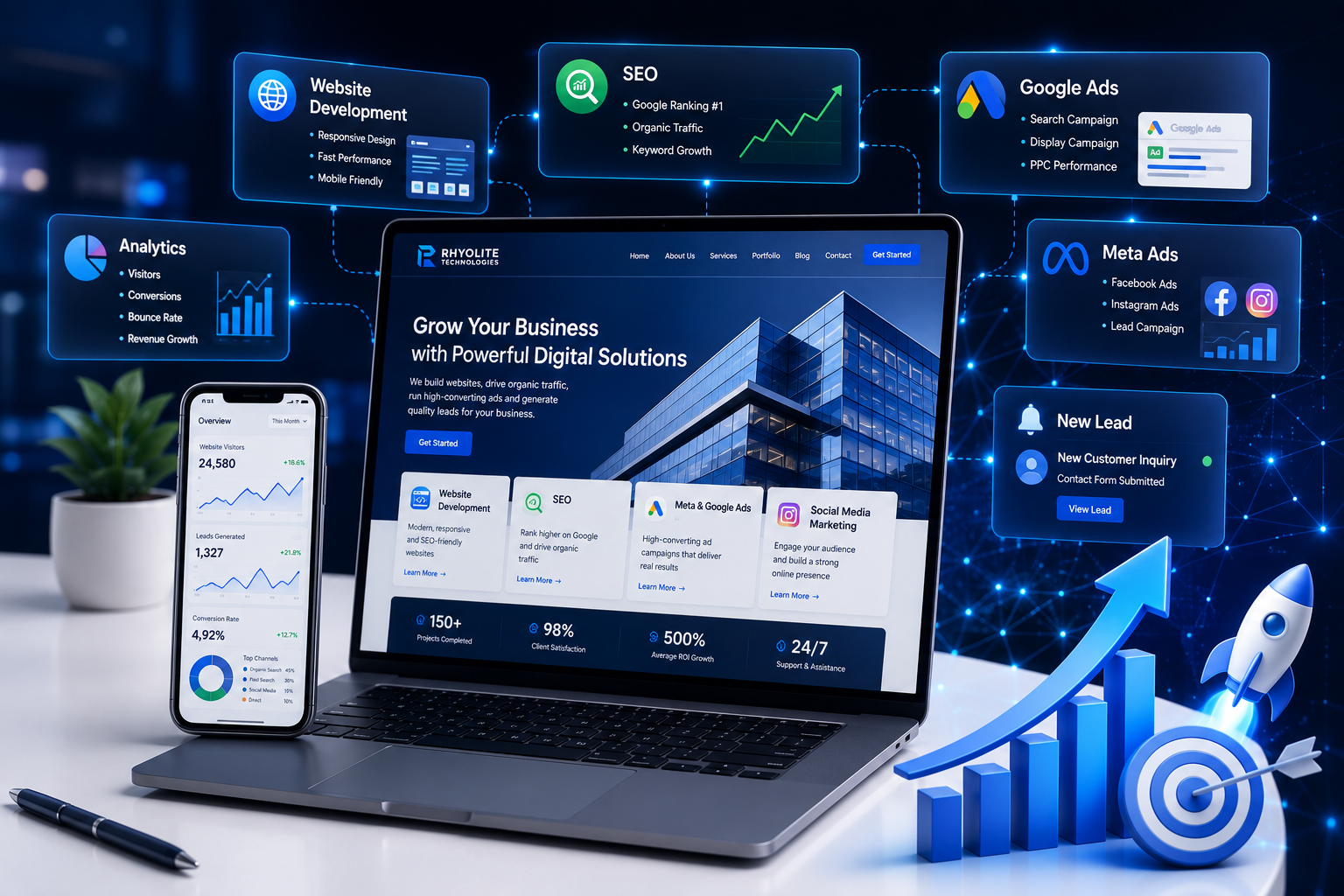
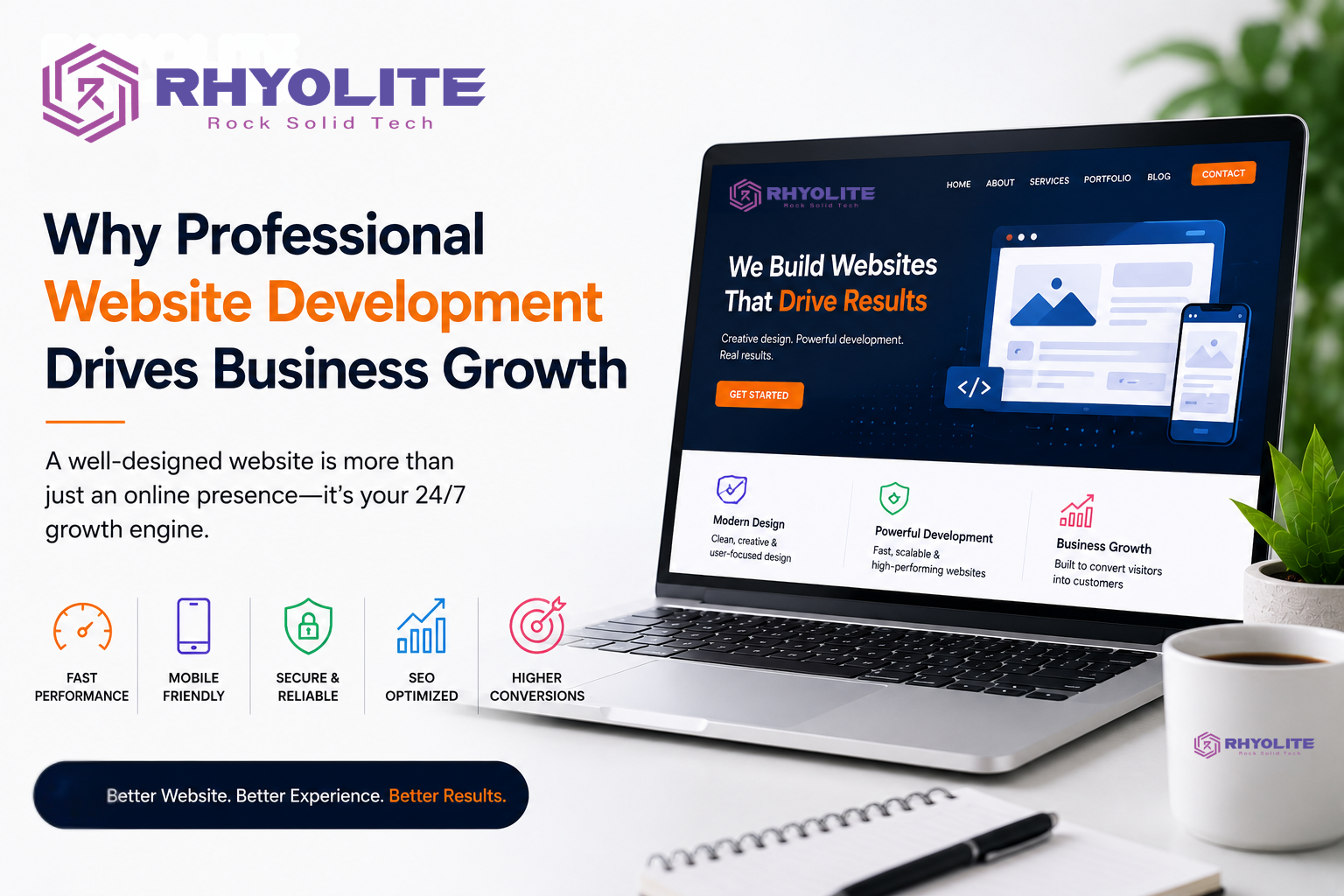
As a digital marketing and web design firmRhyolite showcases the importance of forward-thinking design in its integrated services — weaving design, UX, performance marketing, and brand storytelling together into growth-oriented solutions. Their approach highlights why web design trends in 2026 matter not just aesthetically, but strategically too.
- Human-Centred UX & Purpose-Driven Experiences
Websites in 2026 demand more than pretty visuals; they must be intuitive, meaningful, and aligned with real human needs. Users now expect clarity — fast load times, easy navigation, and interactions that feel “built for them.” Web design trends are strongly pivoting away from confusing layouts to human-first designs that enhance accessibility, speed, and usability.
Key highlights include:
- Clarity of messaging: Users should instantly understand what your brand offers and what action to take next.
- Simplicity over complexity: Minimalism that doesn’t sacrifice meaning — streamlining user journeys while preserving brand depth.
- Empathetic interactions: Designs that respond to actual user behaviour and needs, not just trends for beauty’s sake.
- AI-Powered Personalization & Dynamic Interfaces
Artificial Intelligence is reshaping how content and experiences on the web adapt to individual users. Unlike static layouts, AI-driven design can tailor what users see in real-time — prioritizing elements that resonate with their intent, preferences, and behaviour.
Examples include:
- Personalised content modules
- Smart layout adjustments based on device, time of day, or user history
- Predictive navigation elements that anticipate user needs
- Immersive Visuals: 3D, Motion UI & Micro interactions
Static pages are giving way to immersive interactions — not overwhelming motion, but meaningful movement. Subtle animations, micro-interactions, and dynamic visuals create intuitive feedback loops for users, making interfaces feel alive and responsive.
Some emerging patterns include:
- Micro-animations for buttons, forms, and transitions
- Interactive 3D elements that deepen brand storytelling
- Responsive motion cues that guide user focus and clarify actions
- Expressive Typography & Emotional Design
Typography in 2026 isn’t just about readability — it’s a storytelling tool. Bold, expressive type creates emotional impact while supporting functional design goals like hierarchy and legibility.
Expect designs to leverage:
- Variable fonts for performance and flexibility
- Kinetic typography to draw attention and communicate mood
- Text used as a visual and narrative anchor, not just body copy
- Accessibility & Inclusive Design
Accessibility is no longer an optional add-on — it’s a core design requirement. Designers are prioritising features that ensure people of all abilities can interact with content effortlessly.
Key focus areas include:
- Screen-reader-friendly structures
- High-contrast interfaces
- Keyboard navigation support
- Thoughtful hierarchy and spacing
- Mobile-First & Performance-Centric Design
Google’s mobile-first indexing and user behaviours that favour mobile experiences make mobile-optimized design essential. Websites must feel native on every device — smooth, quick, and responsive, regardless of screen size.
Best practices in 2026 include:
- Prioritising mobile content and navigation structures
- Optimising media and code for speed
- Using lightweight frameworks that balance visuals and performance
- Dark Mode, Contrast Play & Visual Comfort
With users spending more screen time across devices, visual comfort has become a design priority. Dark mode and adaptable contrast schemes protect eyes while adding stylistic depth to interfaces.
Responsive colour systems that shift based on user preferences and environmental contexts — including daylight or low light — are emerging as standard UX enhancements.
- Sustainability & “Green” Web Design
Sustainability isn’t just a buzzword; it’s influencing digital design choices. Minimal code, efficient asset use, and performance optimisation reduce energy consumption — translating into eco-friendlier digital products.
- No-Code/Low-Code Tools & Faster Iteration
For businesses of all sizes, the rise of no-code and low-code platforms accelerates innovation. Designers and marketers can prototype, test, and deploy faster without high development overheads, making web design more accessible and agile.
- SEO, Conversion-Focused Design & Business Impact
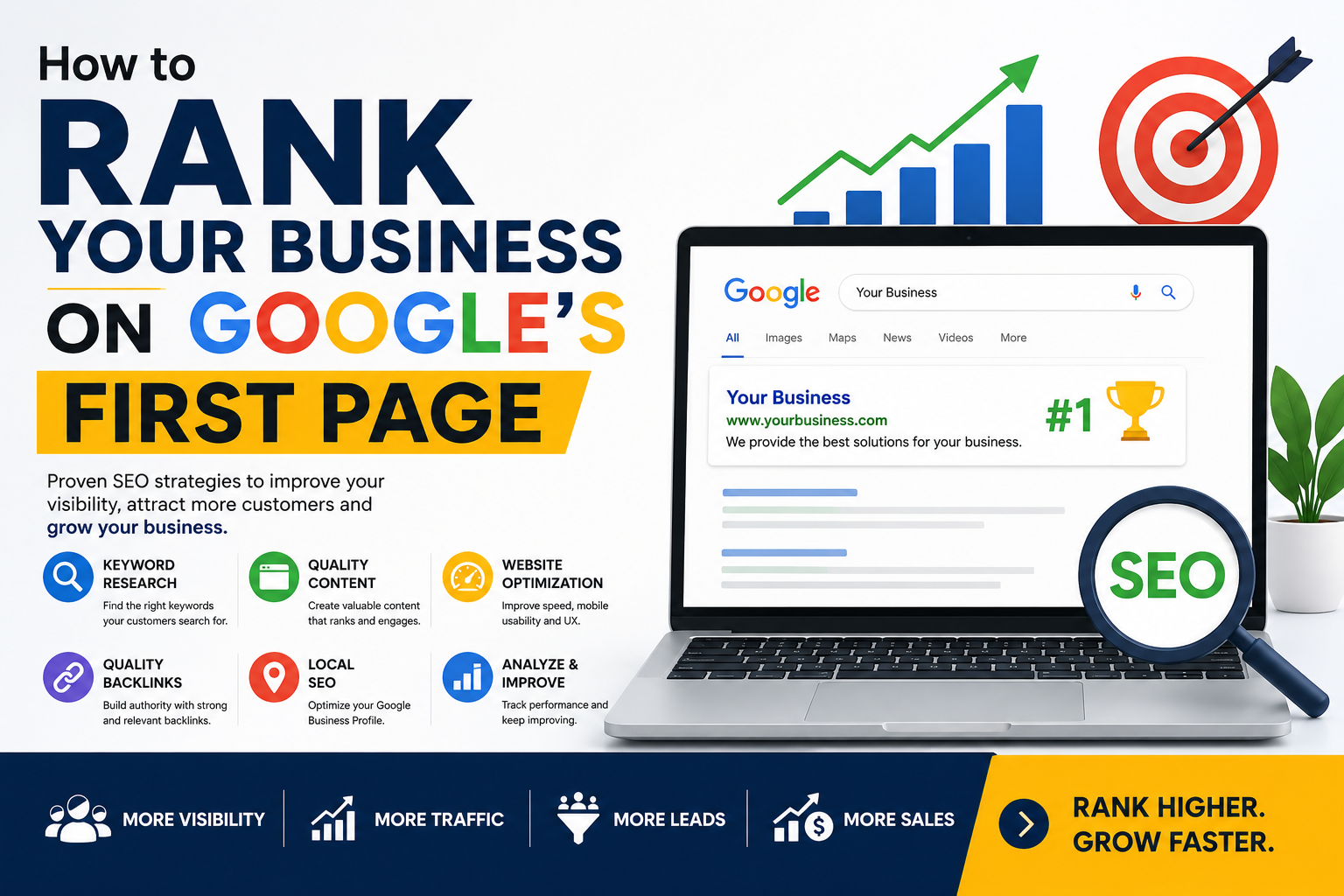
In 2026, web design is deeply tied to business outcomes — not just aesthetics. Better UX improves trust, engagement, and brand perception, which directly influence revenue, SEO performance, and conversions.
Strategic design today:
- Reduces bounce rates
- Boosts time on site
- Improves CTAs and sales pathways
- Strengthens organic search visibility
Conclusion — Designing for People and Purpose
The future of web design in 2026 is about intelligence, empathy, and strategic impact. It’s no longer enough to have a visually stunning site; it must be adaptive, accessible, performance-driven, and deeply aligned to user needs and business objectives.
As Rhyolite exemplifies through its integrated digital design and marketing services, modern web design is a core business function — not merely an aesthetic layer. The future of design is about connecting users to value in meaningful, efficient, and delightful ways.